RARE BY NATURE
SAPPHIRES
A LEGACY IN BLUE.
Exceptional rarity. Geological identity.
A gemstone shaped by origin, colour
and time.
A gemstone shaped by origin, colour
and time.
HISTORY
RARITY
SCIENCE
BEAUTY
PRESERVATION
RARITY
SCIENCE
BEAUTY
PRESERVATION
01
OVERVIEW
Beyond
the Colour Blue.
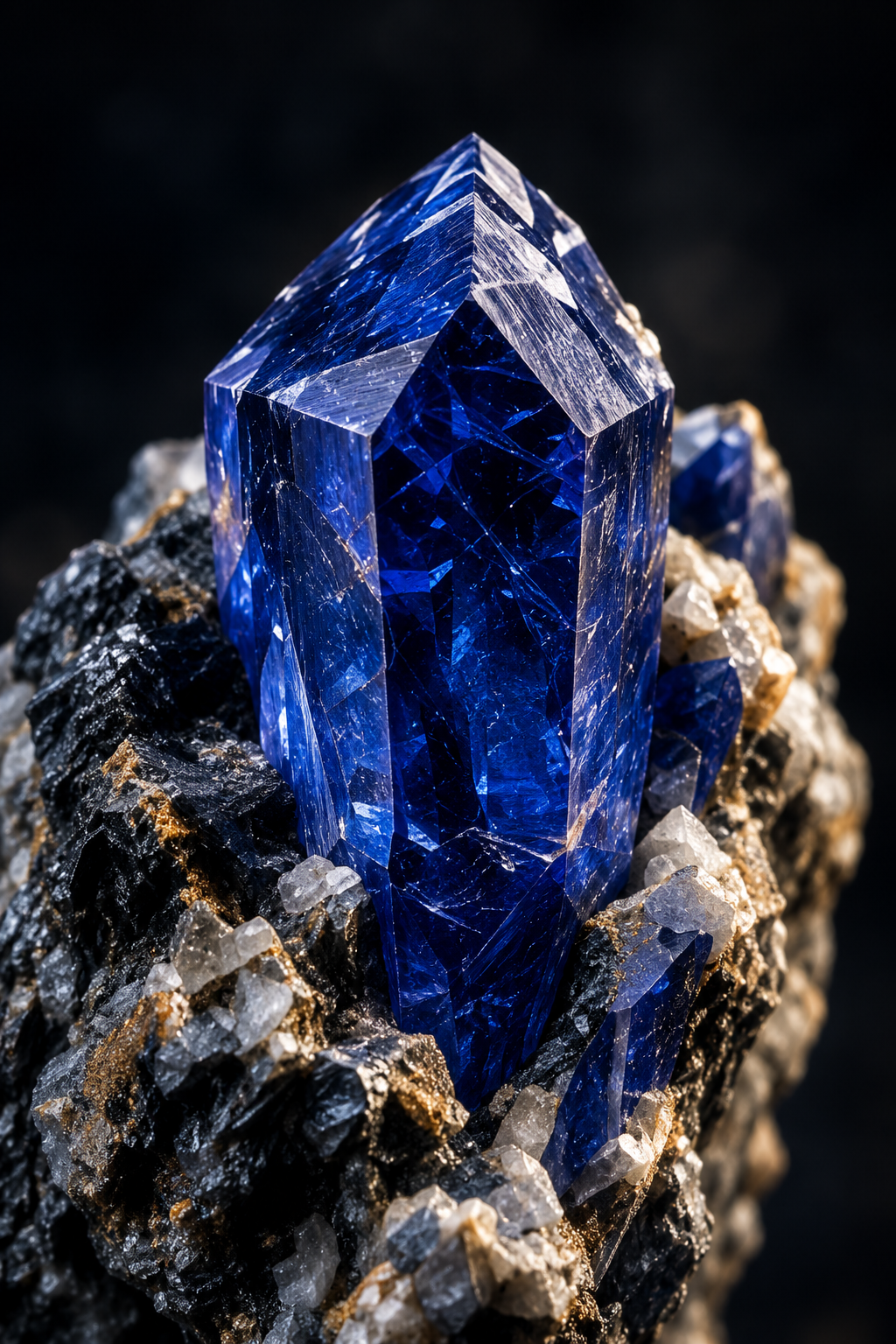
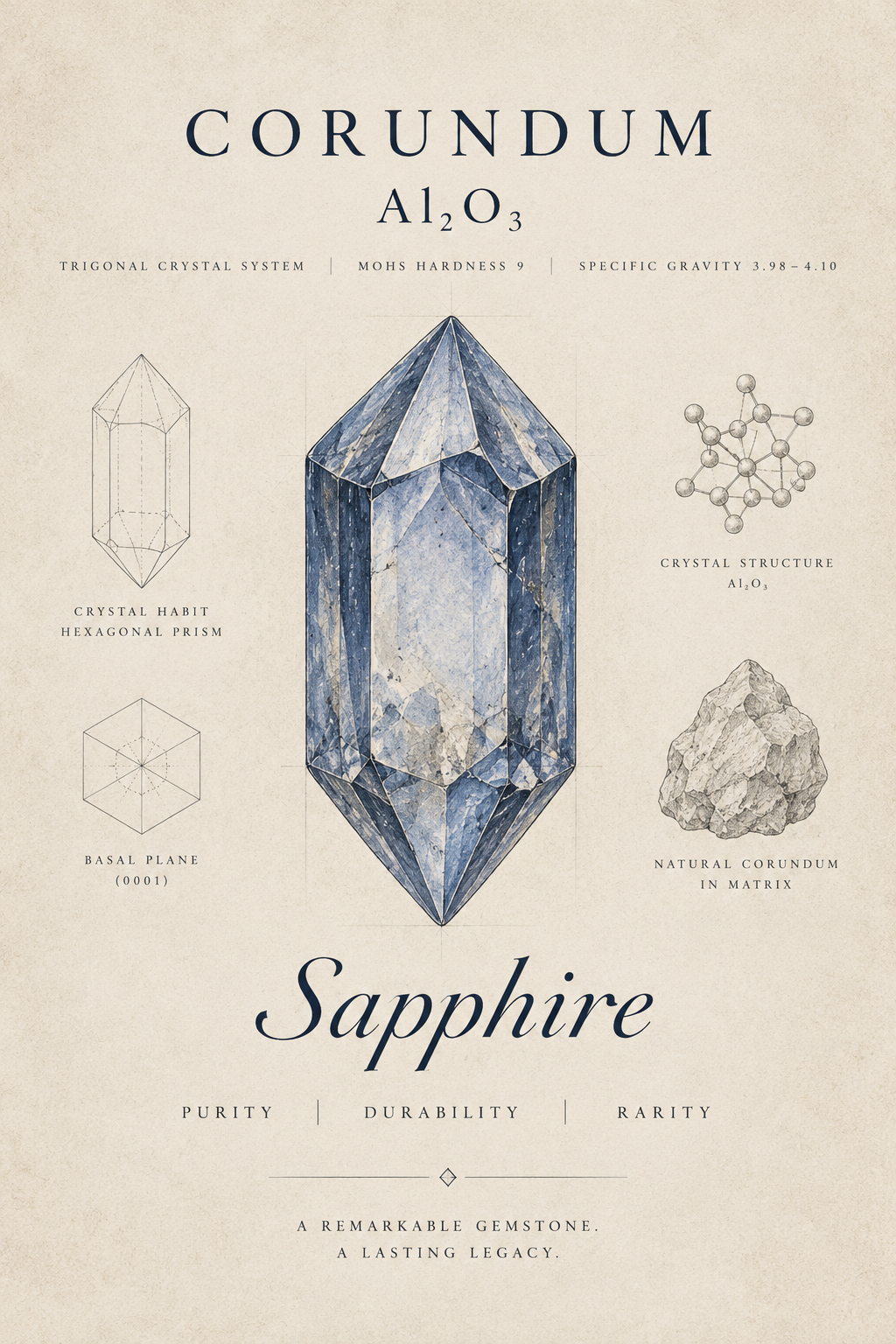
Sapphires are a variety of corundum (Al,O,). one of the hardest naturally occurring minerals on Earth. While blue sapphires are
the most renowned, corundum occurs in a range of colours, with all non-red vareities classified as sapphires.
the most renowned, corundum occurs in a range of colours, with all non-red vareities classified as sapphires.
THE EXTRAORDINARY
LIES IN THE DETAILS
LIES IN THE DETAILS
01
OVERVIEW
Beyond
the Colour Blue.
Sapphires are a variety of corundum (Al,O,). one of the hardest naturally occurring minerals on Earth. While blue sapphires are
the most renowned, corundum occurs in a range of colours, with all non-red vareities classified as sapphires.
the most renowned, corundum occurs in a range of colours, with all non-red vareities classified as sapphires.
THE EXTRAORDINARY
LIES IN THE DETAILS
LIES IN THE DETAILS
01
OVERVIEW
Beyond
the Colour Blue.
Sapphires are a variety of corundum (Al,O,). one of the hardest naturally occurring minerals on Earth. While blue sapphires are
the most renowned, corundum occurs in a range of colours, with all non-red vareities classified as sapphires.
the most renowned, corundum occurs in a range of colours, with all non-red vareities classified as sapphires.
THE EXTRAORDINARY
LIES IN THE DETAILS
LIES IN THE DETAILS
01
OVERVIEW
Beyond
the Colour Blue.
Sapphires are a variety of corundum (Al,O,). one of the hardest naturally occurring minerals on Earth. While blue sapphires are
the most renowned, corundum occurs in a range of colours, with all non-red vareities classified as sapphires.
the most renowned, corundum occurs in a range of colours, with all non-red vareities classified as sapphires.
THE EXTRAORDINARY
LIES IN THE DETAILS
LIES IN THE DETAILS
01
OVERVIEW
Beyond
the Colour Blue.
Sapphires are a variety of corundum (Al,O,). one of the hardest naturally occurring minerals on Earth. While blue sapphires are
the most renowned, corundum occurs in a range of colours, with all non-red vareities classified as sapphires.
the most renowned, corundum occurs in a range of colours, with all non-red vareities classified as sapphires.
THE EXTRAORDINARY
LIES IN THE DETAILS
LIES IN THE DETAILS
01
OVERVIEW
Beyond
the Colour Blue.
Sapphires are a variety of corundum (Al,O,). one of the hardest naturally occurring minerals on Earth. While blue sapphires are
the most renowned, corundum occurs in a range of colours, with all non-red vareities classified as sapphires.
the most renowned, corundum occurs in a range of colours, with all non-red vareities classified as sapphires.
THE EXTRAORDINARY
LIES IN THE DETAILS
LIES IN THE DETAILS
02
WHAT DETERMINES SIGNIFICANCE?
Multiple Factors. A Singular Result.
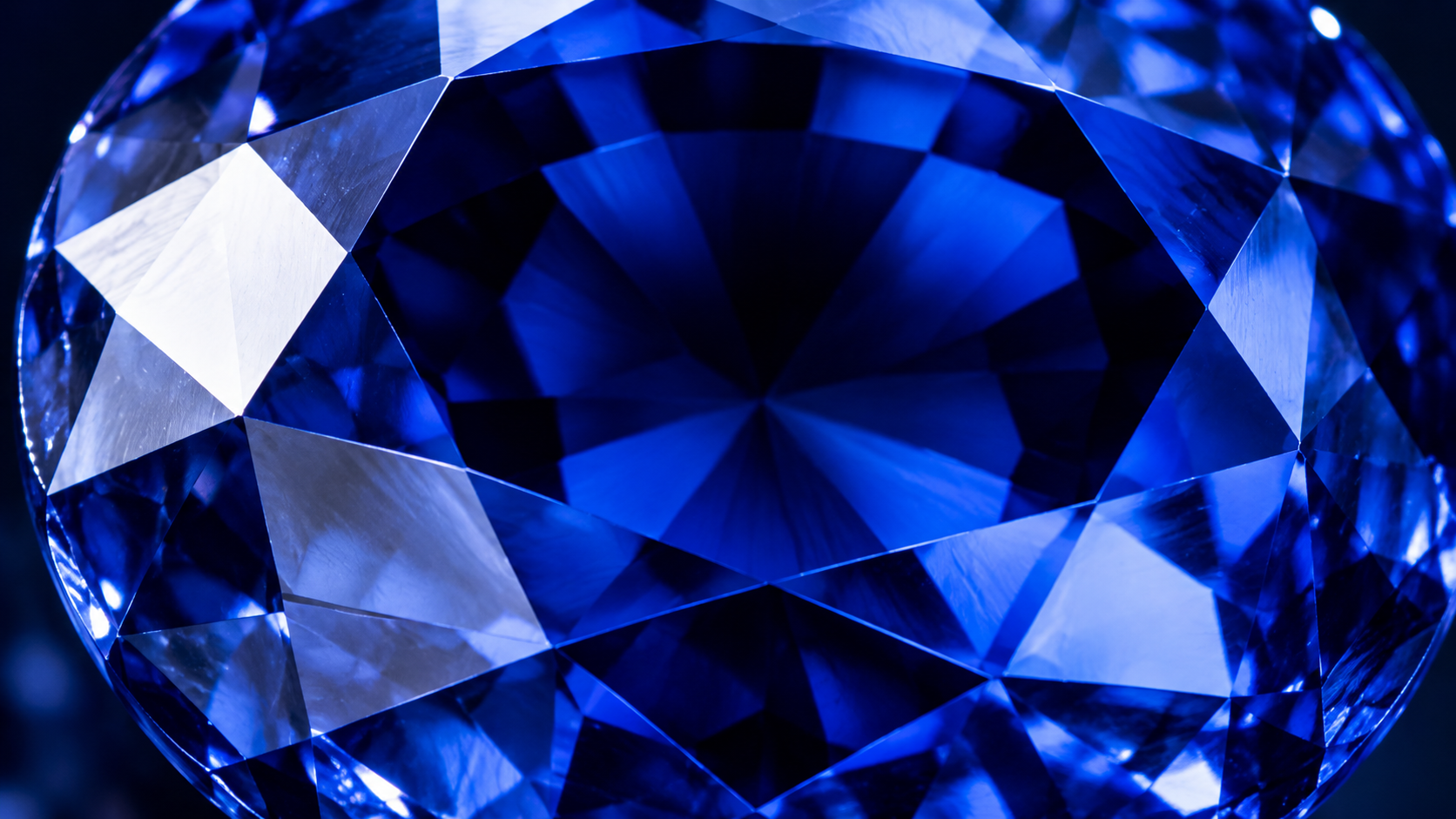
COLOUR
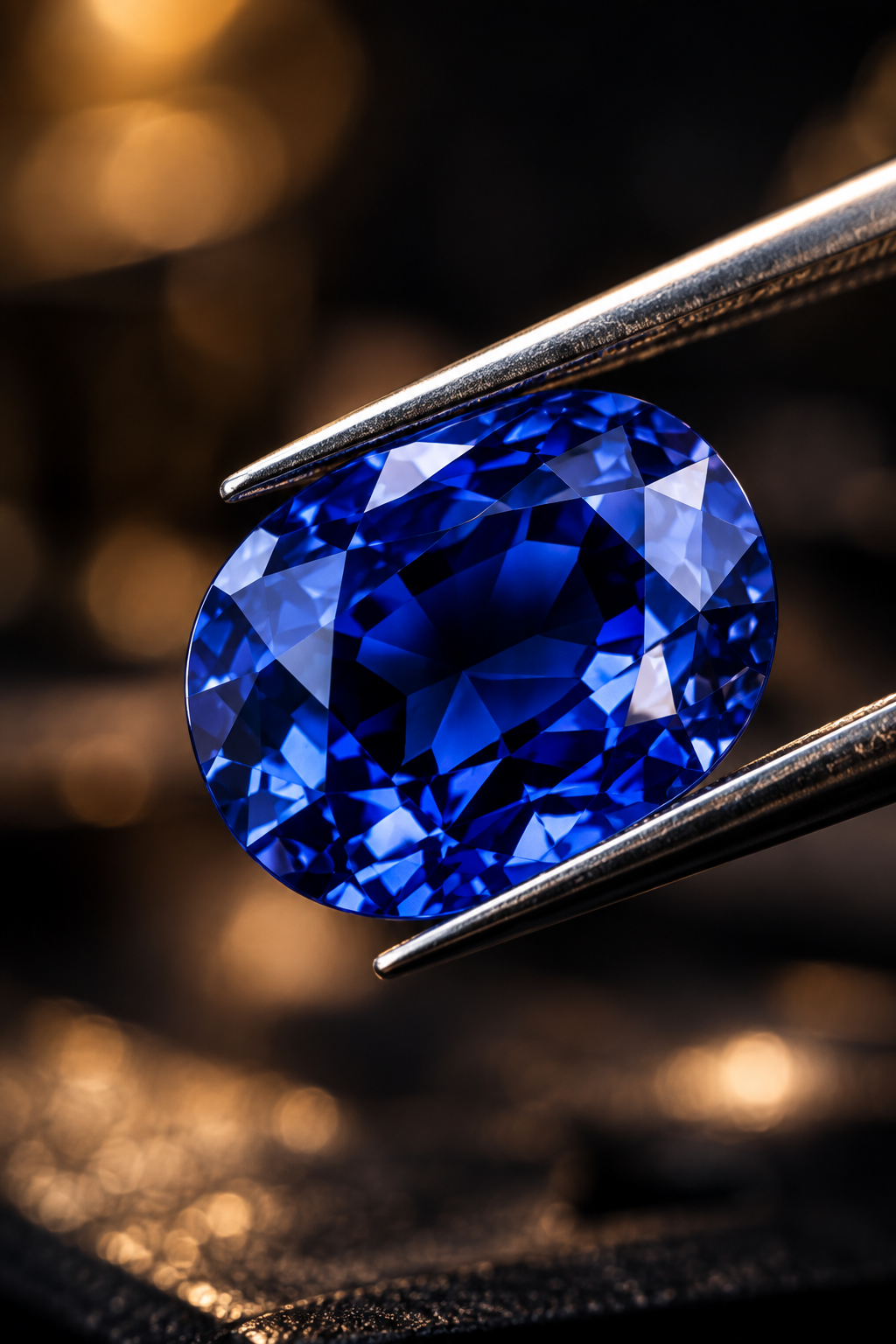
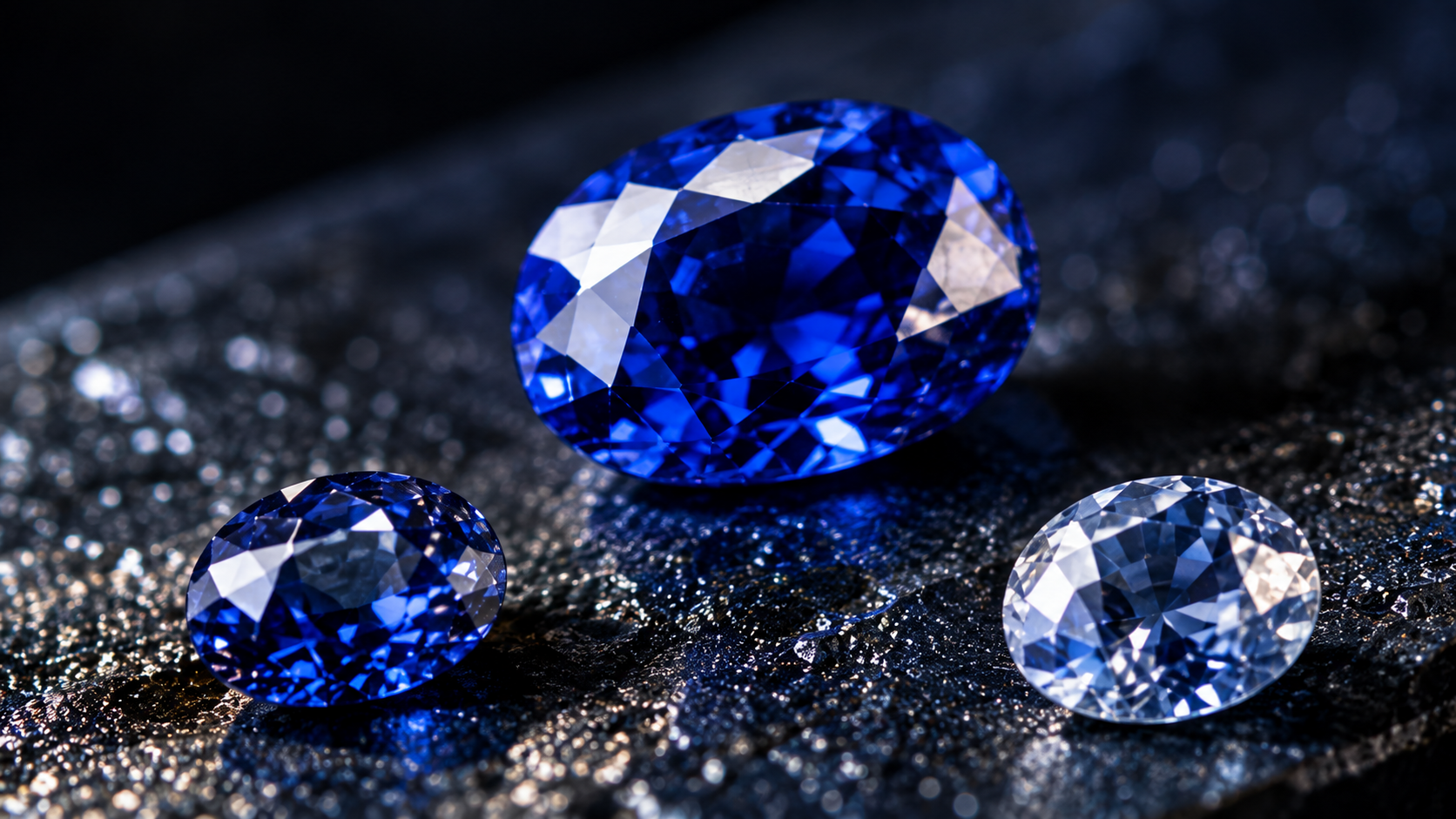
Hue, tone, saturation and uniformity define the visual appeal. The most valued blue sapphires display a strong to vivid saturation, often with a velvety appearance.
COLOUR
Hue, tone, saturation and uniformity define the visual appeal. The most valued blue sapphires display a strong to vivid saturation, often with a velvety appearance.
COLOUR
Hue, tone, saturation and uniformity define the visual appeal. The most valued blue sapphires display a strong to vivid saturation, often with a velvety appearance.
COLOUR
Hue, tone, saturation and uniformity define the visual appeal. The most valued blue sapphires display a strong to vivid saturation, often with a velvety appearance.
03
ORIGIN & GEOLOGY
Formed by Nature.
Defined by Place.
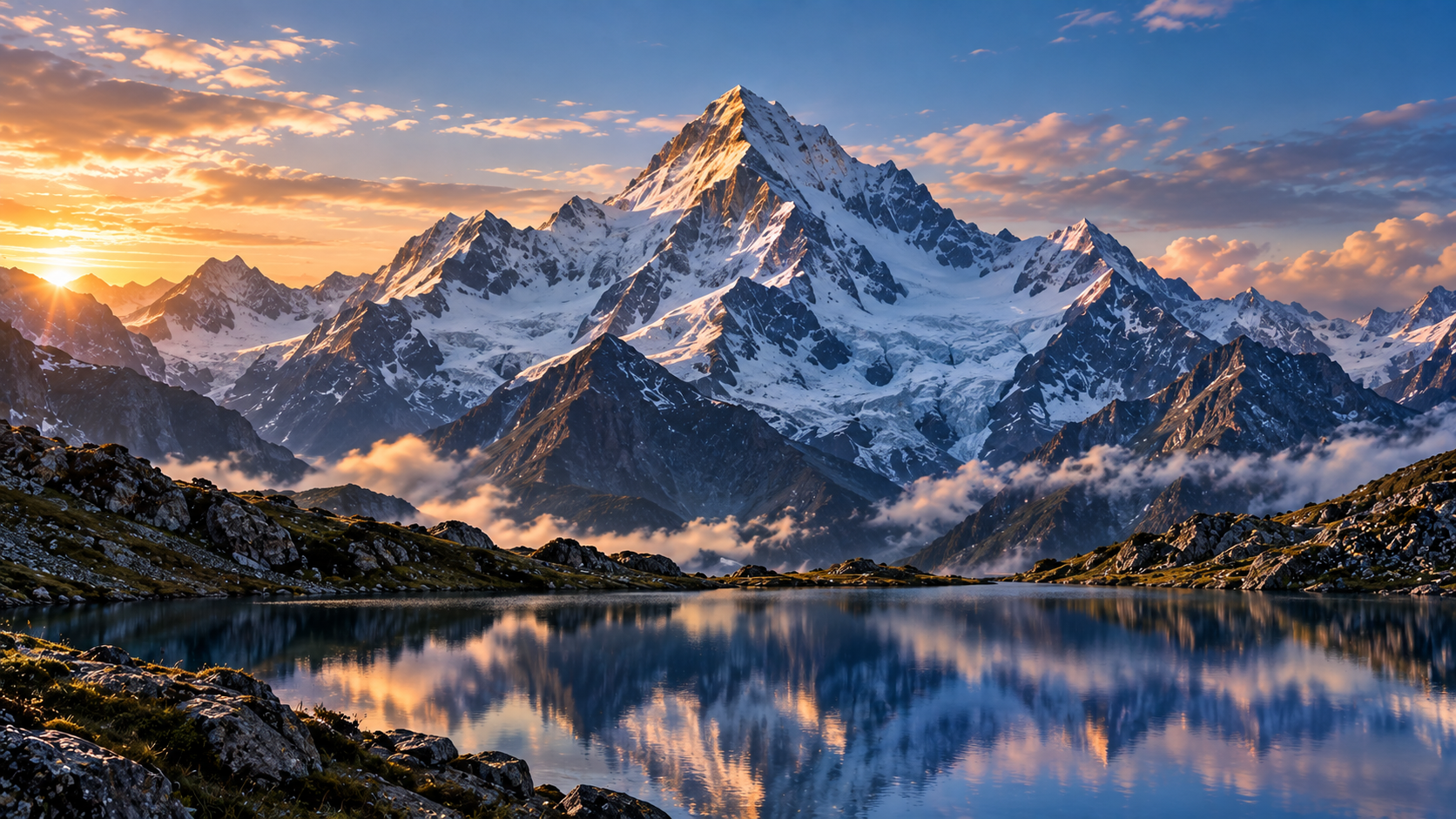
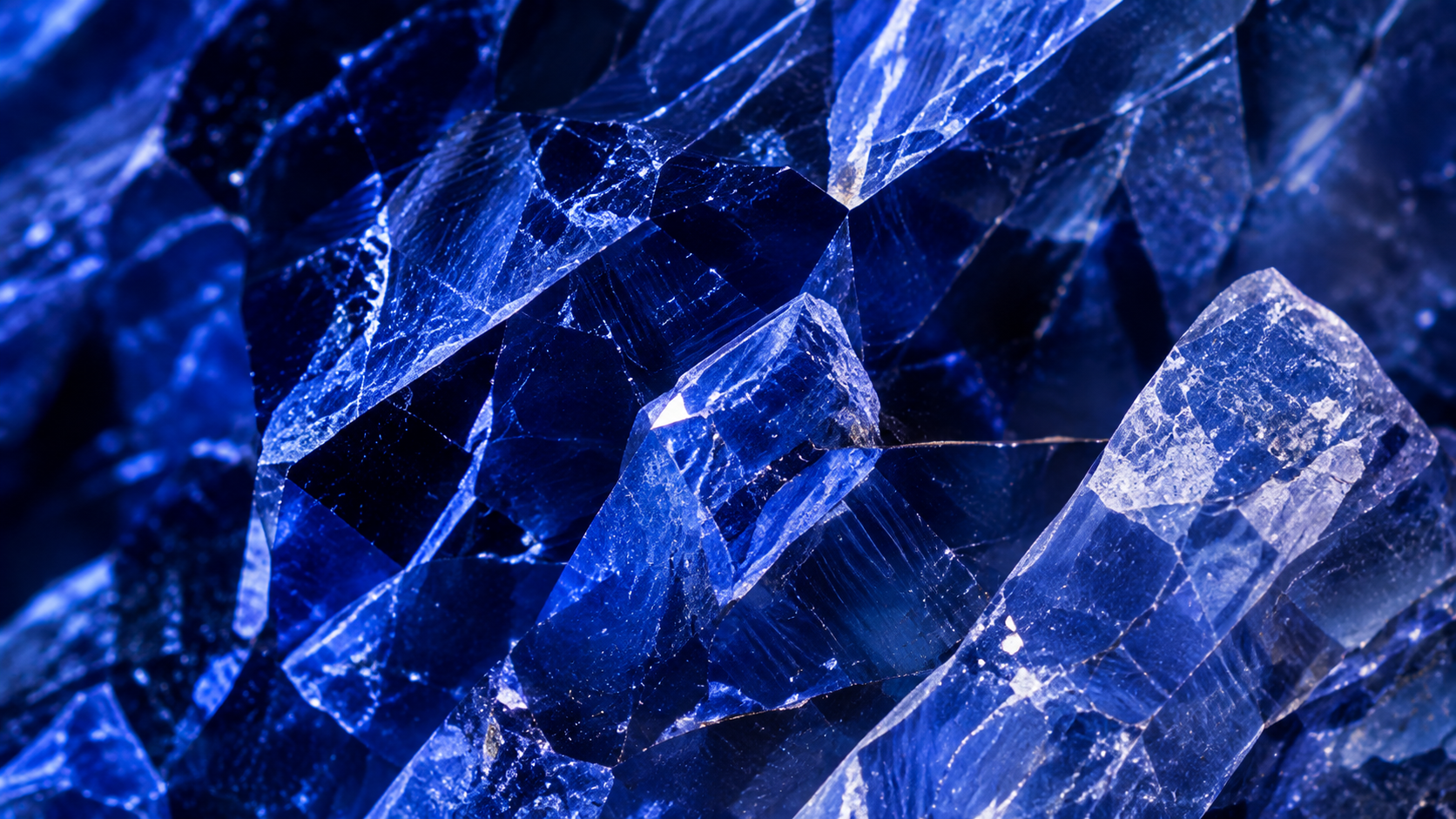
Sapphires form deep within the Earth under extreme heat and pressure, typically in metamorphic rocks such as marble. Renowned sources include Kashmir, Myanmar
(Burma). Sri Lanka and Madagascar, each producing stones with distinct geological and gemmological characteristics.
Origin can provide important context, but it does not guarantee quality. Every mine producee a range of material, from exceptional to commercial grade.
(Burma). Sri Lanka and Madagascar, each producing stones with distinct geological and gemmological characteristics.
Origin can provide important context, but it does not guarantee quality. Every mine producee a range of material, from exceptional to commercial grade.
DIFFERENT PLACES. DISTINCT STORIES.
04
TREATMENT
What Has Nature Produced - And What Has Man Altered?
Heat treatment can anhance colour and clarity and is widely accepted in the trade. Unheated sapphires are considerably rarer. Other treatments, such as lattice diffusion, can alter the surface colour and must be properly identified. Full disclosure and independent verification are essential for informed decision-making.
NATURAL BEAUTY DESERVES TRANSPARENCY.
05
LABORATORY DOCUMENTATION
Evidence Before Narrative.
A reputable gemmological report provides an independent assessment of a sapphire's key characteristics, including natural origin, treatment status, and - where possible - a geographic-origin opinion. Reports document weight, measurements, colour description and other relevant features. It is important to note that laboratory reports do not provide a quality grade or investment valuation.
INDEPENDENT ANALYSIS. INFORMED DECISIONS.
06
EVALUATING A SAPPHIRE AS A COLLECTIBLE TANGIBLE ASSET
A Disciplined Perspective.
Sapphires can be part of a diversified collection of tangible assets. A thorough evaluation considers rarity, quality, origin, treatment status, documentation, provenance, condition, market context and liquidity. Each factor contributes to a well-informed perspective.
KNOWLEDGE TODAY. VALUE TOMORROW.
Rarity # Value
Origin # Quality
Large # Exceptional
Certificate # Investment Case
A CLOSER LOOK
Explore Exceptional Rubies
Gain access to in-depth insights, case studies and our selection process for investment-grade rubies.
Available exclusively to qualified Family Offices and UHNWIs.
REQUEST THE RUBY DOSSIER →Available exclusively to qualified Family Offices and UHNWIs.
Detailed market analysis
Selection criteria
Notable stones and case studies
Access to current opportunities